
Meal Planning for Diabetes Management: Balancing Carbs and Blood Sugar Safely
Meal Planning for Diabetes Management: Balancing Carbs and Blood Sugar Safely
Managing type 2 diabetes or prediabetes can feel like a constant balancing act. Every time you eat, you must consider how the ingredients will affect your blood glucose levels.
For many newly diagnosed individuals, the immediate reaction is to severely restrict their diet, cutting out all carbohydrates and eating a repetitive, boring menu.
But managing blood sugar does not require deprivation. By adopting a structured meal planning strategy, understanding carbohydrate quality, and using simple methods like the "Plate Method," you can enjoy delicious, flavorful meals while maintaining healthy blood sugar levels. Here is your comprehensive guide.
🔬 The Science of Carbs and Blood Sugar
Carbohydrates are your body's primary energy source. When you eat them, your digestive system breaks them down into glucose, which enters your bloodstream. Insulin then helps transport glucose into your cells for energy.
If you have diabetes, your body either doesn't produce enough insulin or is resistant to its effects, leading to elevated blood sugar levels.
However, not all carbohydrates affect your body in the same way. The key to diabetes management is understanding the difference between simple and complex carbs:
- ●Simple Carbs (Fast-Acting): Found in refined sugars, white bread, white rice, pasta, soda, and pastries. They are digested rapidly, causing sudden blood sugar spikes.
- ●Complex Carbs (Slow-Acting): Found in whole grains (oats, quinoa, brown rice), beans, lentils, sweet potatoes, and non-starchy vegetables. They contain fiber, which slows digestion and leads to a gradual, stable release of glucose.
🍽️ The Diabetes Plate Method
The easiest way to structure your meals without counting grams or calories is the Diabetes Plate Method developed by the American Diabetes Association (ADA). It uses a standard 9-inch plate as a visual guide:
1. Fill Half Your Plate with Non-Starchy Vegetables
These are high in fiber, water, and essential nutrients, and have a minimal impact on blood sugar.
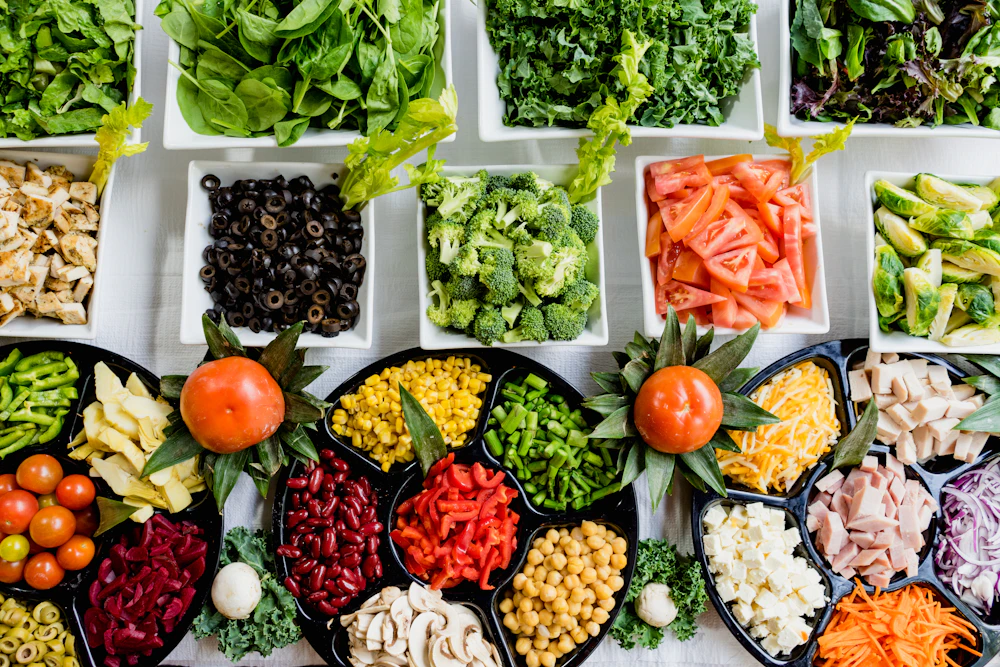
- ●Examples: Spinach, kale, broccoli, cauliflower, cabbage, asparagus, green beans, and bell peppers.
2. Fill One-Quarter of Your Plate with Lean Protein
Protein helps slow digestion and prevents post-meal blood sugar spikes.
- ●Examples: Chicken breast, turkey, fish (salmon, tuna), eggs, tofu, tempeh, and lean cuts of beef or pork.
3. Fill One-Quarter of Your Plate with Complex Carbs
Limit this section to high-fiber, complex carbohydrate sources.
- ●Examples: Quinoa, brown rice, barley, sweet potatoes, black beans, lentils, or a slice of whole-grain bread.
📝 4 Simple Meal Planning Rules for Stable Blood Sugar
Rule 1: Pair Carbs with Protein or Fat
Never eat carbohydrates in isolation (e.g., eating an apple on its own). Always pair them with a source of protein or healthy fat (e.g., an apple with peanut butter, or oatmeal with chia seeds and walnuts). Protein and fat slow down gastric emptying, stabilizing sugar absorption.
Rule 2: Eat at Consistent Times
Eating meals at roughly the same times every day helps your body maintain stable insulin and glucose levels throughout the day, preventing sudden drops or spikes.
Rule 3: Stay Hydrated
Water helps your kidneys flush out excess glucose through urine. Drink water consistently throughout the day and avoid sugary beverages.
Rule 4: Audit Your Pantry
Clear out simple sugars and refined grains, and stock your kitchen with high-fiber grains, canned beans, and healthy oils (like olive and avocado oil). A pantry meal generator can help you find diabetic-friendly recipes using these staples.
🚀 Let Technology Manage Your Balance
Planning a diabetic-friendly menu is easy when you have the right tools. By using a free AI meal planner like MealGenna, you can apply dietary filters (like low-glycemic, keto, or high-fiber), schedule your weekly meals on a calendar, and automatically generate your shopping list. Take control of your nutrition and support your health journey today!